

Origin of GASLIGHTING
What I will not allow you to do is play in my face.
Insult my intelligence or sell me a story I can see through.
Do not assume that I don’t see what you’re doing because I have yet to address it.
The excessive use of the term ‘gaslighting’ has altered its meaning over time, while maintaining a psychological aspect. Today, gaslighting has everything to do with convincing someone that their reality is fabricated or non-existent.
Originally, gaslighting primarily referred to attempts to convince psychiatrists that a patient was psychologically unfit to care for themself. (Klein et al., 2026).
The concerned individual did not need to be convinced; the professional with the authority to diagnose, prescribe medication, or determine that someone needed psychiatric care did. If you could create enough “evidence” that a person was mentally unstable, their credibility could be questioned before they ever had the chance to tell their side.
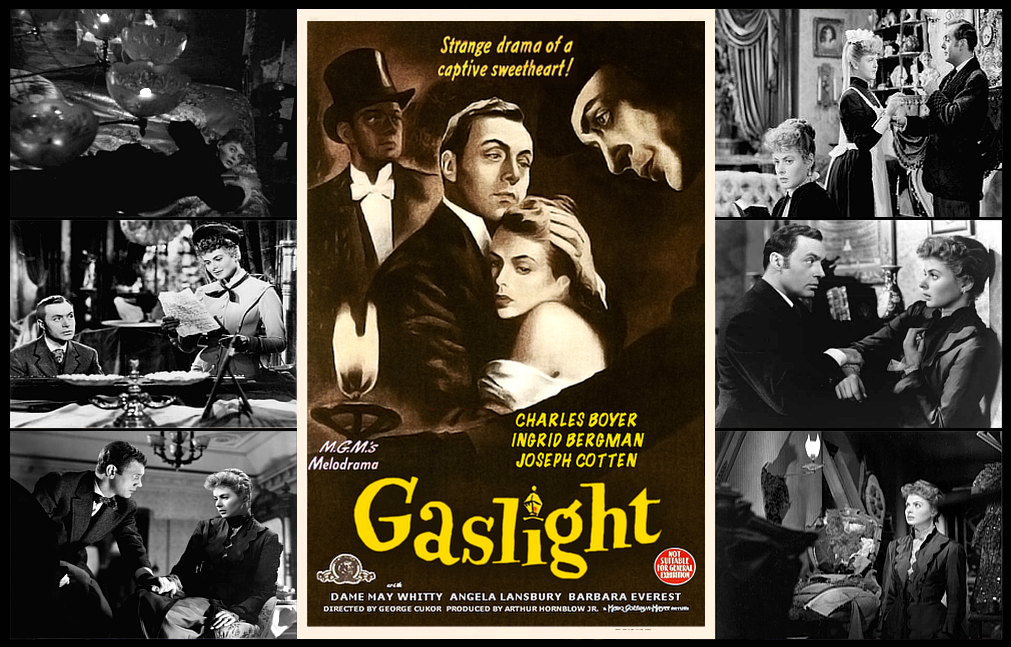
In the 1944 movie Gaslight, the term was quite literally connected to a gaslight flickering. The wife, Paula, would notice the gaslights dimming and brightening, but her husband would manipulate her into questioning what she saw, eventually making her believe she was going psycho.
Her devious husband would also move and hide items around the house, then accuse Paula of losing or misplacing them. Things would suddenly disappear or not be where she remembered leaving them. Little by little, he created situations that made her question her own memory, judgment, and sanity.
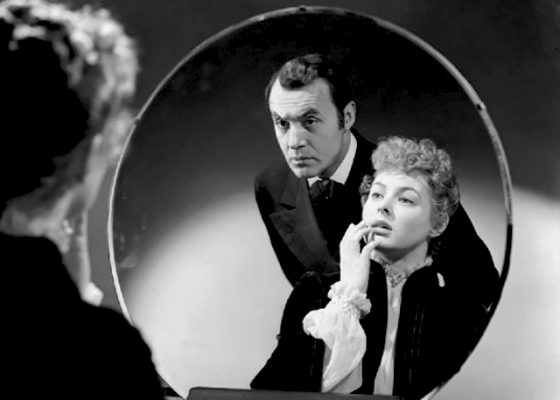
But all of this was intentional.
Paula had unknowingly gotten close to discovering her husband’s true identity and what he was really after. He needed to discredit what she saw and what she knew, so he continued creating “proof” that she was mentally unstable. Threatening her with doctors and the possibility of being institutionalized.
He needed a reason for no one—including Paula herself—to believe her.
And that is what makes Gaslight feel so familiar, even decades later.

A lot of women have experienced some version of this—including me. Maybe not the flickering lights or mysteriously disappearing objects, but the constant denial of what you know you saw, heard, or experienced.
Something happens, and somehow the conversation becomes about your reaction instead of what they did. You’re told you’re remembering it wrong, you’re overreacting, you’re too emotional, or you’re creating a problem that supposedly never existed.
After enough of that, you can start questioning yourself. Replaying conversations. Second-guessing what you saw. You start wondering whether you really are the problem.
That’s the part of Gaslight that still lives outside of the movie.
Sometimes making a woman question her sanity isn’t the result of the manipulation.
It’s the strategy.
Inspired by:
Thank You For Your Support.
Written by Malaysia Monét Johnson | Auracles by MJ
A space for storytelling, parenting, culture, news, healing, and personal truth.
Find me on Instagram, YouTube, Tik Tok, and Facebook
Check another other article, “The Disappointment“