
Do You Give In to Temptation During the Summer?

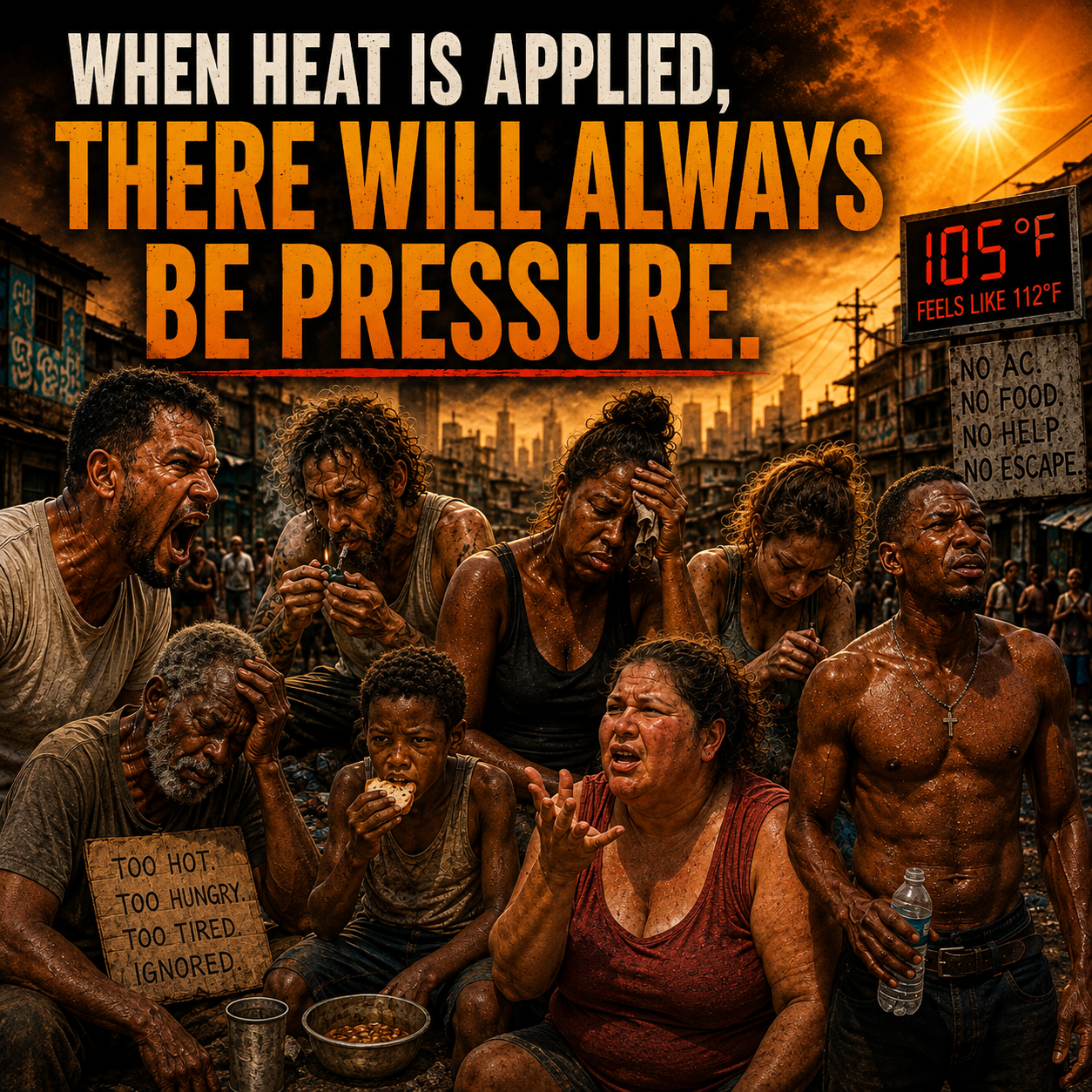
It’s hot.
Everybody’s fighting.
The unaware? No, they are fully aware.
The unaccountable adult child is exactly that—a child. They have a handy means of reasoning that can justify and excuse their malbehavior. These explanations often include bipolar disorder, OCD, ADHD, feeling overwhelmed, or even overheating.
When temperatures rise, it affects many parts of our bodies. While heated, our brain and body work to cool the body down. Such effort depletes the energy we have for other things. This depletion can lead to neglecting the people we love, responsibilities, and ourselves.
Excessive heat can disrupt cognitive functioning, causing confusion, fatigue, memory challenges, and difficulty concentrating.
Does this justify the babies who died due to hot car deaths?
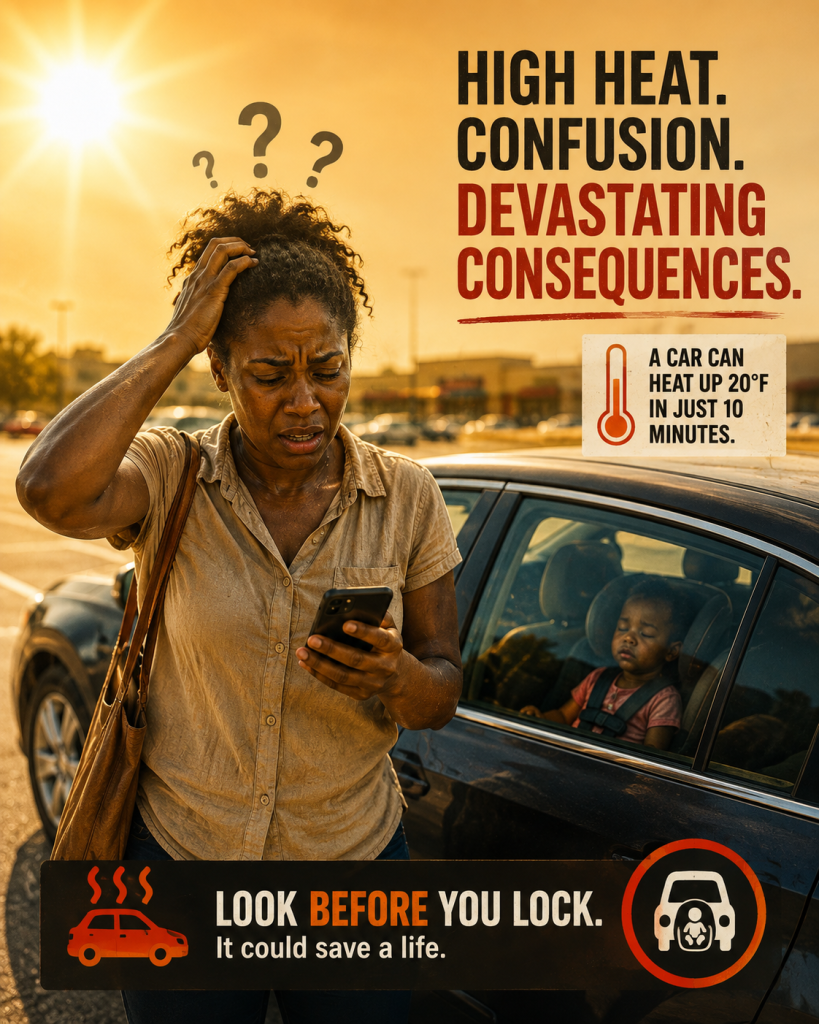
Do memory challenges justify the thought process, and how convenient it is to have impaired cognition during high temperatures?
Moreover, heat causes the body to shift into a mode of survival.
In addition, drugs like cocaine, methamphetamine, ecstasy, and Molly can dramatically increase body temperature.
Some drugs can produce a hypermetabolic state that increases heat production beyond the body’s compensatory abilities…. Currently, the most frequently abused amphetamine derivative, 3,4 -methylenedioxymethamphetamine (MDMA, Ecstasy), produces numerous toxic side effects, of which hyperthermia is perhaps the most serious.66 Cocaine is another commonly used recreational drug that has a propensity to cause hyperthermia. Cocaine, like other sympathomimetic drugs, was thought to cause a hypermetabolic state with increased heat production. However, epidemiological data in the late 1990s showed that mortality rates for cocaine overdose increase substantially in hot weather.6 (ScienceDirect, n.d.).
According to the most recent U.S. government data, about 48 million Americans aged 12 and older have a substance use disorder (SUD) in a given year. That’s roughly 1 in every 6 people (about 17%). (Substance Abuse and Mental Health Services Administration [SAMHSA], 2024).
With a U.S. population of approximately 340 million people, about 1 in 7 Americans lives with a substance use disorder each year.
Is it possible that extreme heat, combined with substance abuse and other life stressors, contributes to some of the aggressive and impulsive behaviors we see during the summer months?
From the extent of causing and dragging arguments to committing fatal crimes. No heat justifies criminal behavior, and no drug excuses it. When the weather is unbearable, it is recommended to remain cool and drink plenty of water. Common sense would inform and warn, not consume, overheat, and react.
But don’t be naive. The heat does not only affect those who abuse drugs.
Heat affects the hungry, the sleepless, the lonely, the weak, the poor—the deprived. Any negative feeling concocted with heat can be room for what cannot be reversed. Heat doesn’t discriminate. It magnifies whatever burden a person is already carrying.
Heat doesn’t create character—it reveals it under pressure.
It’s a lil’ cozy during the chilly months.
But everybody seems to crash out when the temperatures rise.
Heat may explain pressure.
It never excuses your choices.
Stay hydrated
STAY OFF DRUGS.
Written by Malaysia Monét Johnson | Auracles by MJ
Thank You For Your Support.
A space for storytelling, parenting, culture, news, healing, and personal truth.
Find me on Instagram, YouTube, Tik Tok, and Facebook
Resources:
National Institutes of Health. (2025). High temperatures can impair cognitive function and contribute to hot-car tragedies. National Library of Medicine. https://www.ncbi.nlm.nih.gov/search/research-news/19250/
Substance Abuse and Mental Health Services Administration. (2025). Key substance use and mental health indicators in the United States: Results from the 2024 National Survey on Drug Use and Health. U.S. Department of Health and Human Services. https://www.samhsa.gov/data/report/2024-nsduh-annual-national-report
ScienceDirect. (n.d.). Drug-induced hyperthermia. https://www.sciencedirect.com/topics/medicine-and-dentistry/drug-induced-hyperthermia
National Weather Service. (n.d.). Heat safety. https://www.weather.gov/safety/heat
National Safety Council. (n.d.). Children in hot cars. https://www.nsc.org/road/safety-topics/child-passenger-safety/children-in-hot-cars
Null, J. (n.d.). Heatstroke deaths of children in vehicles. San Francisco State University, Department of Meteorology and Climate Science. https://www.noheatstroke.org/
Check out the Disappointment, which can be depicted as the seasons that follow summer.